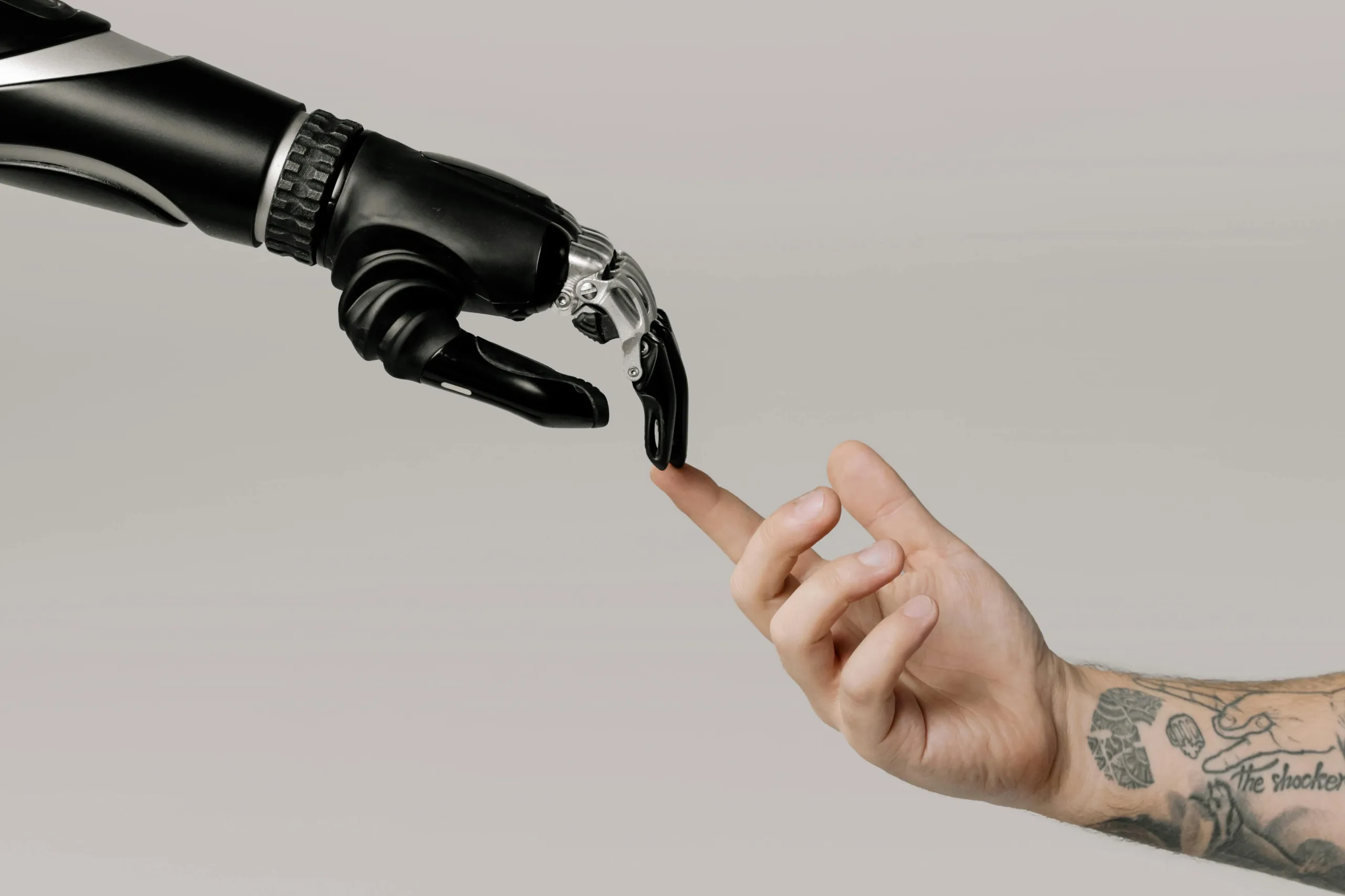
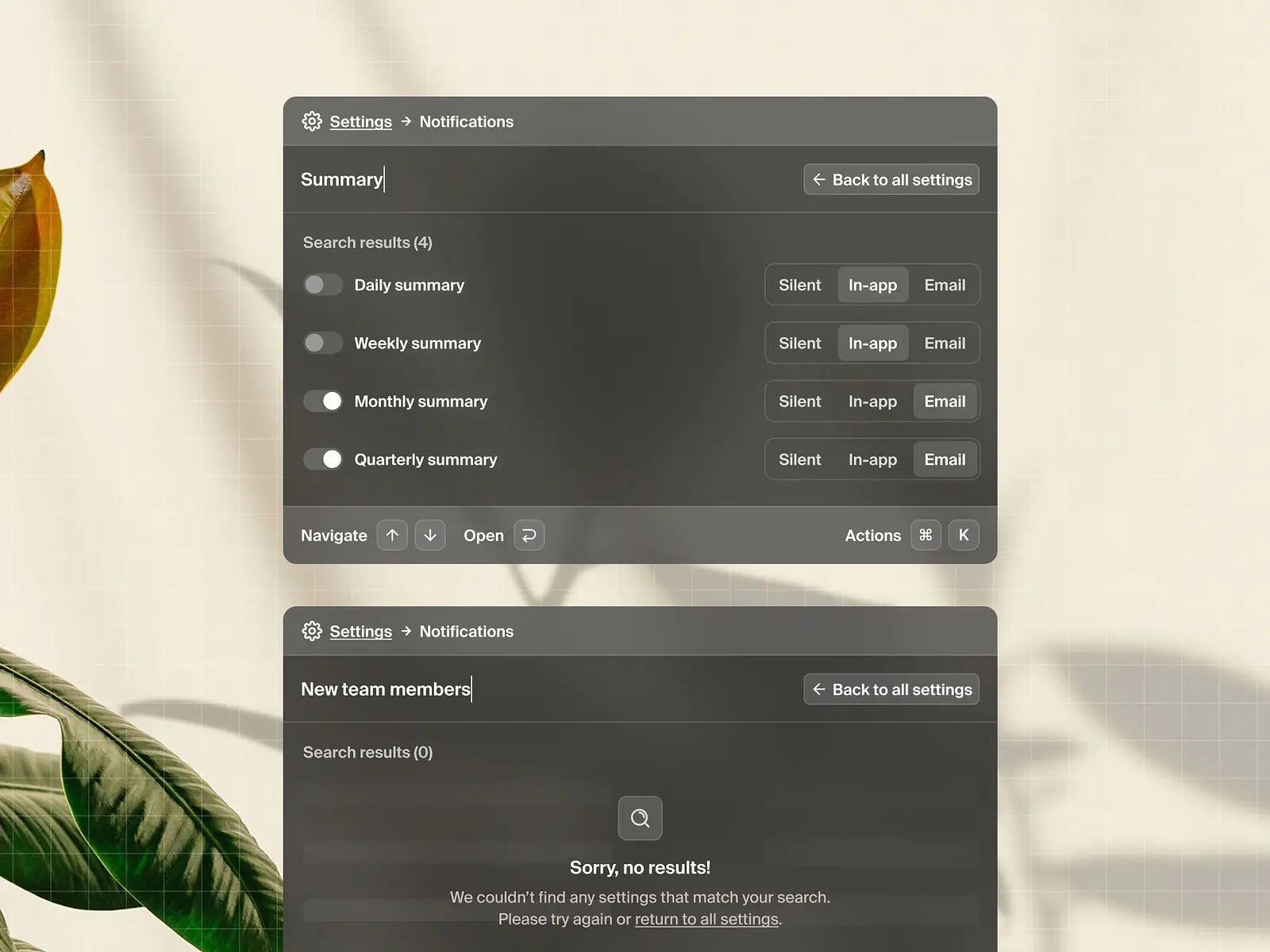
Artificial Intelligence (AI) is transforming industries worldwide, and the field of digital design is no exception. The integration of AI with design systems is revolutionizing the way designers create, iterate, and optimize user interfaces and experiences. By harnessing the power of AI, design systems are becoming more intelligent, efficient, and user-centric, offering unparalleled benefits to both designers and end-users.
AI-enhanced design systems streamline the design process by automating repetitive tasks and providing intelligent suggestions. This allows designers to focus on more creative and strategic aspects of their work. For example, AI can automatically generate design components based on predefined rules and patterns, ensuring consistency across different parts of a project. This not only saves time but also reduces the risk of human error, leading to more polished and cohesive designs.
One of the most significant advantages of integrating AI with design systems is the ability to personalize user experiences at scale. AI algorithms can analyze vast amounts of user data to identify patterns and preferences, enabling designers to create tailored interfaces that cater to individual user needs. This level of personalization enhances user satisfaction and engagement, as interfaces become more intuitive and aligned with users’ expectations and behaviors.
AI also plays a crucial role in improving accessibility within design systems. By leveraging machine learning algorithms, designers can automatically detect and address accessibility issues, ensuring that digital products are usable by people with diverse abilities. This includes generating alternative text for images, optimizing color contrasts, and providing real-time feedback on the accessibility of design elements. As a result, AI-powered design systems contribute to creating more inclusive digital environments.
Another transformative aspect of AI in design systems is its capacity for real-time feedback and iteration. AI can analyze user interactions and provide instant insights into how design elements are performing. This feedback loop allows designers to make data-driven decisions and refine their designs continuously. With AI, designers can experiment with different variations, test hypotheses, and quickly identify what works best for the target audience, ultimately leading to more effective and user-friendly interfaces.
Moreover, AI enhances collaboration within design teams. Intelligent design systems can facilitate communication by suggesting design solutions and flagging potential issues, making it easier for team members to stay aligned and work cohesively. AI-driven tools can also integrate with project management platforms, streamlining workflows and ensuring that everyone has access to the latest design updates and assets.
In conclusion, the integration of AI with design systems is revolutionizing the digital design landscape. By automating repetitive tasks, enabling personalization, improving accessibility, providing real-time feedback, and enhancing collaboration, AI-powered design systems are empowering designers to create more intelligent, efficient, and user-centric digital products. As AI technology continues to evolve, its impact on design systems will only grow, leading to even more innovative and transformative design solutions.